The Cashmere Sale
Timeless cashmere. A limited window to sell it.
Conversion & Marketing Technology
Creative & Content
Email Marketing
Measurement & Attribution
Media Planning & Buying
Paid Search
Paid Social
Social Media Management
$2.5M
E-Commerce Sales, Single Record Season
750K
Consumers Reached in 10 Days of Campaign Activity
$465K
Email Revenue, 42% of Total Online Sales
8+
Years Running the Sale’s Marketing, Season After Season
+22%
Engagement Growth YoY
2.4M
Social Impressions
25+
Retail Locations Supported

Timeless cashmere. A limited window to sell it.
For The Cashmere Sale, a Republic Clothing Group brand, every season is a relaunch. As a longtime marketing partner, our team connects strategy, email, paid media, design and social to bring loyal shoppers back and introduce new customers to the brand. One coordinated program supports nationwide pop-ups and online sales, making a short selling window work harder.
Challenge
A seasonal retailer has to earn attention again with every return. Store locations, opening dates and local audiences change, while the brand needs to remain recognizable wherever customers encounter it.
The challenge was coordinating a national presence with the details that make someone visit a particular store, all within a short selling season.
Approach
SnuggleMud manages strategy, email campaigns and automation, paid media, reporting, design and social media management. We connect campaign planning with creative execution so messaging carries consistently across the customer experience. Email and automation support ongoing customer communication, paid media extends visibility, and social keeps the brand active. Reporting brings those efforts together to guide campaign decisions.
Outcome
In partnership with SnuggleMud, The Cashmere Sale has delivered consistent year-over-year revenue growth for more than eight years. Throughout that partnership, our team has helped turn each season into the next opportunity to grow, bringing returning customers back, reaching new shoppers and coordinating campaigns across more than 25 retail locations and online. The result is sustained momentum for a business with a short window to make every season count.
$2.5M
E-Commerce Sales, Single Record Season
750K
Consumers Reached in 10 Days
$465K
Email Revenue, 42% of Total Online Sales
+22%
Engagement Growth YoY
8+
Years Running the Sale’s Marketing
2.4M
Social Impressions
Deliverables
25+
Retail Locations Supported
8+
Years of Partnership
$2.5M
Record Season E-Commerce Sales
Marketing Strategy and Campaign Planning
SnuggleMud manages the strategy and campaign planning behind every season, coordinating a national presence with the local details that bring shoppers to a particular store.
That planning has supported more than eight years of season-after-season marketing for the sale.
Email Marketing Campaigns and Automation
Email and automation support ongoing customer communication, bringing loyal shoppers back for each new season.
Email revenue reached $465K in a single season, 42% of total online sales.
Paid Media Management
Paid media extends visibility beyond the sale’s existing customer base, reaching new shoppers within a short selling window.
That reach helped the campaign connect with 750K consumers in just 10 days of activity.
Campaign Design and Creative Development
Campaign planning connects with creative execution so messaging carries consistently across the customer experience.
That consistency keeps the brand recognizable wherever customers encounter it, store to store.
Social Media Management and Performance Reporting
Social keeps the brand active between seasons, contributing to +22% engagement growth year over year and 2.4M social impressions.
Reporting brings those efforts together to guide campaign decisions across more than 25 retail locations and online.



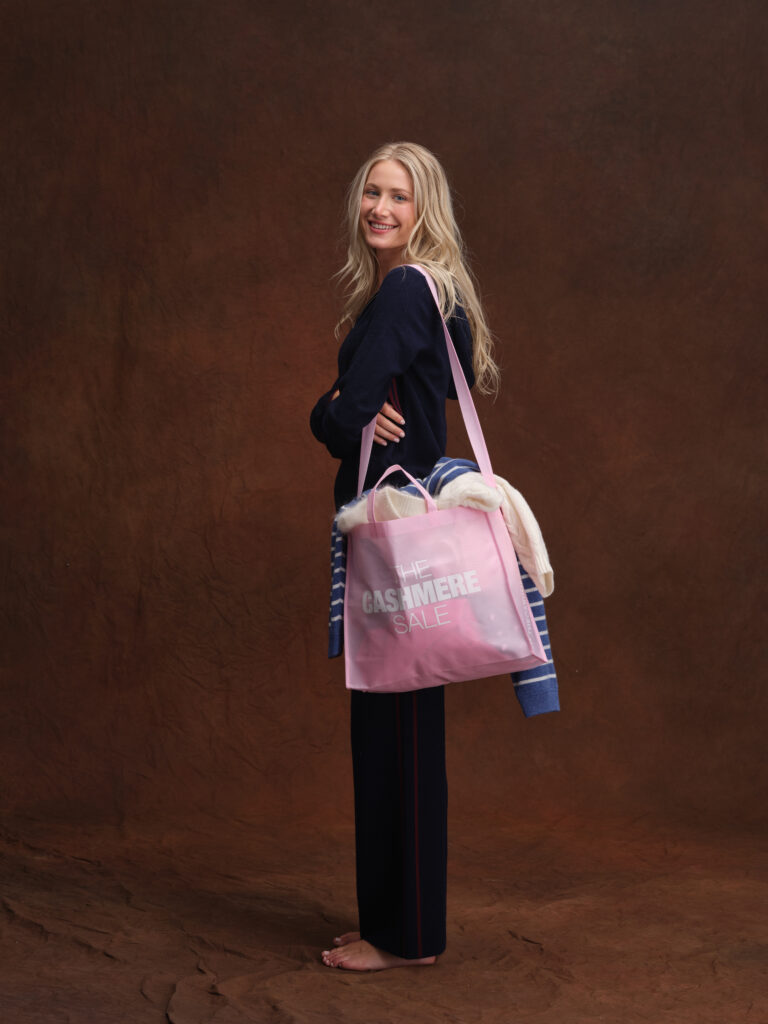
After more than eight years together, the team understands the rhythm of our business. Every season brings different store openings, deadlines and opportunities, and they keep the marketing coordinated through all of it. They have been an important partner as we have continued to grow revenue year after year.”
.

Carmela Minervini, President – The Cashmere Sale