OES Home
A full community. A purpose behind every click.
Measurement & Attribution
Paid Search
100%
Independent Living Occupancy Maintained
$78K
Grant-Funded Advertising Utilized, Program Lifetime
5.1K
Google Ads Clicks, Program Lifetime
104K
Google Ads Impressions, Program Lifetime
Up to $10K/mo
Google Ad Grants Search-Advertising Allowance
A full community. A purpose behind every click.
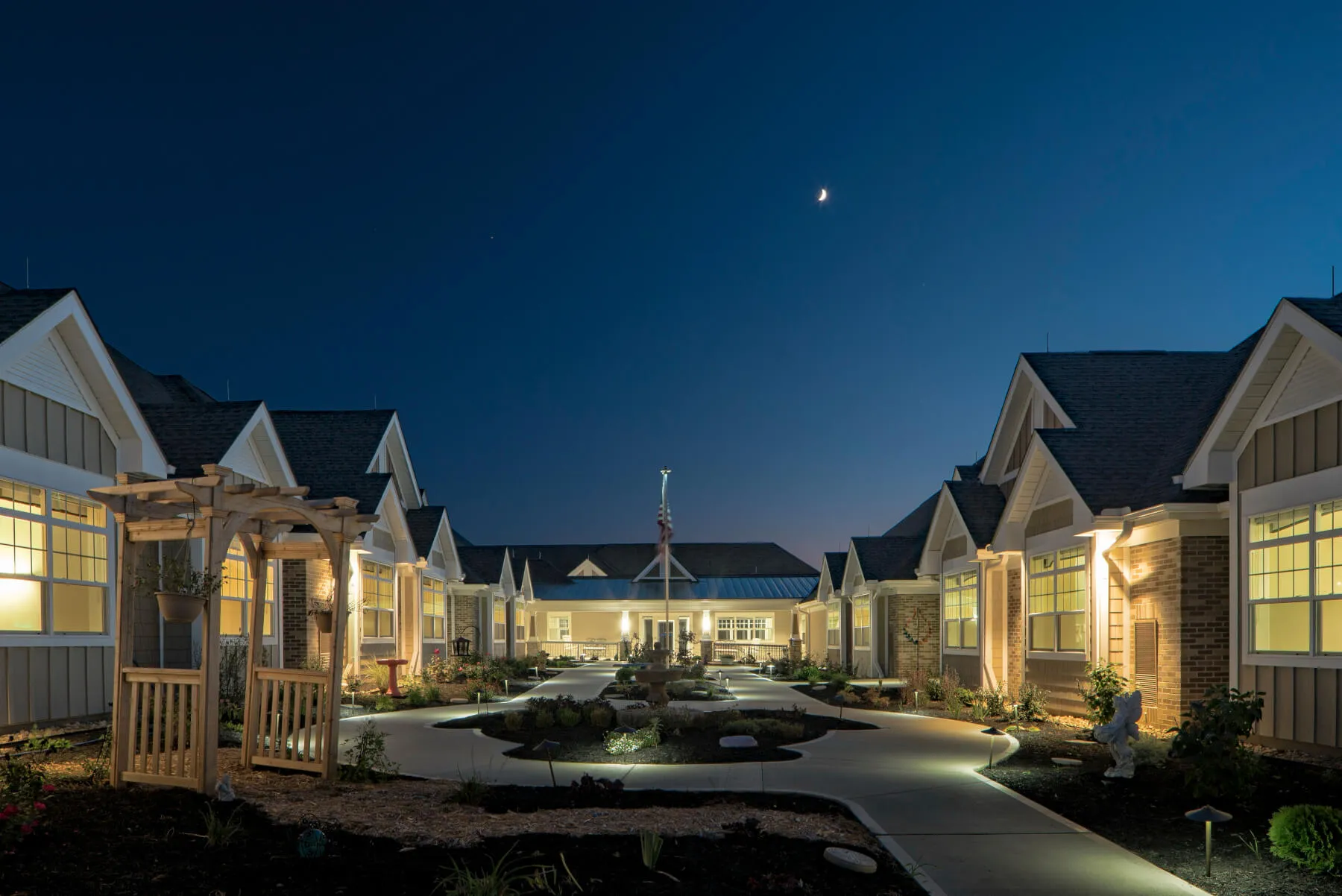
OES Home needed its marketing resources to go further. SnuggleMud secured Google Ad Grants access and built a search program focused on putting that allowance to work. Across the program’s lifetime, $78K in grant-funded advertising supported discovery of the Ohio independent living community and helped maintain 100% occupancy.
Challenge
For OES Home, marketing had a practical responsibility: help keep an independent living community full while respecting a limited nonprofit budget. Prospective residents and their families needed to find the community as they researched their options in Ohio.
The opportunity was to make more of the advertising support available to the organization, then turn that resource into an ongoing presence during the conversations and decisions that come before a move.
Approach
SnuggleMud secured Google Ad Grants access and built search campaigns around relevant senior living queries in Ohio. Grant utilization became a central objective: putting available advertising credit to work through a program managed for visibility and engagement. Bidding and campaign optimization supported that effort over time. The strategy connected a nonprofit resource to an everyday business need, helping prospective residents and families discover OES Home while supporting the community’s occupancy goals.
Outcome
A full community is the result that matters. SnuggleMud’s search program helped OES Home maintain full independent living occupancy while making productive use of its advertising grant. The work gave the organization a sustained way to appear when prospective residents and families were exploring their options. For a nonprofit with limited marketing resources, that meant turning an available allowance into an active part of the effort to keep the community thriving.
100%
Independent Living Occupancy Maintained
$78K
Grant-Funded Advertising Utilized, Program Lifetime
5.1K
Google Ads Clicks, Program Lifetime
104K
Google Ads Impressions, Program Lifetime
$10K/mo
Google Ad Grants Search-Advertising Allowance
They understood that we needed to make the most of the resources available to us. Putting Google Ad Grants to work gave more people a way to discover our community, and that visibility has supported our efforts to maintain full occupancy in independent living. It is a practical approach that respects our mission and our budget.”

Michele Engelbach, CEO – OES Home
The Work
100%
Independent Living Occupancy
$78K
Grant-Funded Advertising Utilized
$10K/mo
Ad Grants Allowance
Google Ad Grants Access
SnuggleMud secured Google Ad Grants access, opening up to $10K per month in search-advertising allowance for OES Home.
That access connected a nonprofit resource to an everyday business need: helping families find the community.
Search Campaign Strategy
Search campaigns were built around relevant senior living queries in Ohio, matching how families actually research their options.
That focus generated 5.1K clicks and 104K impressions across the program’s lifetime.
Grant Utilization
Grant utilization became a central objective, putting available advertising credit to work rather than letting it go unused.
Across the program’s lifetime, that focus turned $78K in grant funding into an active advertising presence.
Bidding & Optimization
Bidding and campaign optimization supported the grant-utilization effort over time, keeping the program managed for visibility and engagement.
That ongoing management kept the program active and productive rather than a one-time setup.
Occupancy Support
The strategy helped prospective residents and families discover OES Home during the conversations and decisions that come before a move.
That presence supported the community’s occupancy goals, helping maintain 100% independent living occupancy.